
Home / Ayahuasca Diet
Written with guidance from the Shipibo healers at Mai Niti Healing Center.
18 min read · Food list, meal plan & 10 recipes · Updated October 2026
The ayahuasca diet, or dieta, is a period of simple, clean eating before and after an ayahuasca ceremony. In practice that means plain whole foods: rice, vegetables, fruit, grains and, often, fresh fish or chicken. You set aside alcohol, drugs, pork, processed food, aged and fermented foods, and stimulants like coffee. How strict it is, and for how long, depends on the healers guiding you and on the work you're doing with them.
One of the first questions people ask before their first ceremony is surprisingly simple: "What am I actually supposed to eat?"
The internet doesn't make it easy. One list bans chicken and the next serves it for dinner. One says no salt for a month, another says just go easy the day before. That's because three very different things all get called "the ayahuasca diet":
A Shipibo and wider Amazonian discipline, rooted in a relationship with the plants.
Eating in a way that helps you arrive at ceremony light and clear.
Real drug interactions, mostly involving medications and supplements, not food.
This guide separates them. It's written from our home in the Peruvian Amazon, where Maestra Lucila, her father Maestro Leonardo and her brothers carry on the healing lineage of their Shipibo family.
It's a temporary way of eating built around fresh, minimally processed food, followed before and after ceremony. Alcohol, drugs, pork, fried and processed foods, fermented and aged foods, caffeine, and heavy salt, sugar or spice usually come out. Most people also abstain from sex during the same period.
The word dieta comes from Amazonian plant medicine. For the Shipibo, a dieta was never a "diet" in the Western sense. It's a period of discipline, often lasting weeks, in which a person eats very simply, lives quietly, and works with one or more master plants to learn from them.
"The body asks for comfort. The spirit of the plant asks for discipline."
In her tradition, the dieta isn't only about avoiding certain foods. It's about noticing how much the body pulls toward what's easy and familiar (sugar, chocolate, rich food, habits) and choosing, for a while, to step back from that.
What most guests follow before a shorter ayahuasca retreat is a gentler version of that discipline. Guests who come for a master plant dieta follow something closer to the traditional practice, and the maestros set the guidance individually.
There are three reasons, and it helps to keep them separate: tradition, practicality and medical caution.
In Shipibo tradition, plants are understood as living beings with their own spirit and teachings. The dieta is how you prepare to receive them. Salt, sugar, spice, pork, alcohol and sex are traditionally seen as things that get in the way of that connection.
Lucila frames the sacrifice not as punishment but as a way of learning. By giving up certain comforts for a time, you practise patience and learn to listen beyond your immediate wants.
"Before receiving a plant's wisdom, you've got to prepare yourself to listen."
This is belief carried within a living tradition, and we share it as that. It isn't a scientific claim, and you don't have to hold it to benefit from preparing well.
Even setting belief aside, eating simply makes sense.
Ayahuasca very often causes nausea and vomiting, which the tradition calls la purga, the purge, and treats as part of the healing. A stomach full of greasy, spicy, heavy food won't make that any easier.
Preparation also builds intention. Changing what you eat for a week or two is a small daily reminder of why you're coming. Many people find the preparation matters to them almost as much as the ceremony.
And there's the simple benefit of a reset. A couple of weeks without alcohol, caffeine and junk food gives you a clearer sense of how you actually feel before you begin.
Ayahuasca brews typically contain harmala alkaloids, mainly harmine and harmaline from the Banisteriopsis caapi vine. These act as monoamine oxidase inhibitors (MAOIs). Monoamine oxidase is an enzyme your body uses to break down certain compounds, including DMT, serotonin and tyramine.
That's why some foods appear on avoid lists. More importantly, it's why certain medications and supplements can be genuinely dangerous alongside ayahuasca. The serious risks sit there, not with whether you had a banana on Tuesday. There's a full section on this below.
"Every person carries a different story. Not everyone receives the same plant medicine."
This is why food lists online contradict each other, and it's also how we work at Mai Niti. The maestros tailor each person's process: which plants they work with, which ceremonies they sit in, and what their dieta asks of them. Someone on a five-day retreat and someone on a month-long Bobinsana dieta won't eat the same way, and they shouldn't.
Across retreat centers generally, the differences come from a few places:
Different healing traditions keep different rules.
A ceremony-only stay is usually lighter on food rules than a master plant dieta.
In the traditional view, each master plant carries its own restrictions.
What's local and available shapes what gets served.
So the most useful rule in this whole guide is this: the guidance from the healers you'll actually sit with comes first. Use the rest of this page to understand the reasons, and to prepare before you arrive.
If you're coming to Mai Niti, ask the maestros and facilitators what your own dieta involves. The guidance you receive from them comes before anything on this page.
Plenty, actually. Most ayahuasca diet guidelines allow rice, quinoa, oats, potatoes, yuca, plantain, vegetables, most fresh fruit, lentils and chickpeas, eggs, and, depending on the healers, fresh fish or chicken. Everything is cooked simply, without much salt, sugar, oil or spice.
| Food group | Commonly eaten | Worth knowing |
|---|---|---|
| Grains & starches | Rice, quinoa, oats, potatoes, sweet potatoes, yuca, plantain, corn | Staples of Amazonian dieta food |
| Vegetables | Leafy greens, carrots, squash, zucchini, broccoli, green beans, cucumber | Steamed, boiled or roasted |
| Fruit | Apples, pears, papaya, melon, berries, just-ripe bananas | Some healers limit sweet fruit near ceremony |
| Legumes | Lentils, chickpeas, black beans | Fava or broad beans are usually left out |
| Protein | Eggs, fresh fish, fresh chicken | This is where guidance varies most |
| Fats | Olive oil, coconut oil, a little fresh avocado | Go easy |
| Flavour | Fresh herbs, lemon, lime | Salt and spice are the big debate |
| Drinks | Water, plain herbal teas | Check tea blends for hidden black or green tea |
The pattern is simple: fresh, plain, and close to how it grew. If something has been aged, fermented, cured, fried or packed with a long ingredient list, it's probably out.
When Lucila talks about growing up in San Francisco, the Shipibo village where her family lives, she remembers walking with her mother to visit relatives carrying yuca, sugarcane and bananas. The food of a traditional dieta comes from that world: plantain, yuca, rice and river fish, prepared very simply.
All meals at Mai Niti are prepared at the center, so once you arrive, you won't need to plan your own food. This section is mostly for the days before you travel.
The usual list is alcohol, pork and red meat, aged cheese, cured meats, fermented foods, coffee and chocolate, fried and processed food, and anything very salty, sweet or spicy.
Avoided almost everywhere, usually for a week or more either side of ceremony.
The clearest pharmacological reasoning, because they're high in tyramine: aged cheeses, salami, smoked or dried fish, soy sauce, miso, tempeh, sauerkraut, kimchi, pickles, kombucha and yeast-extract spreads.
Traditionally avoided in Shipibo and other Amazonian dietas.
Coffee, black and green tea, energy drinks, cola and chocolate.
The traditional dieta is famously plain. Lucila names sugar, chocolate and rich foods as the comforts the body pulls toward.
These often hide the salty, sugary or fermented ingredients you're trying to avoid.
Tyramine can build up as food ages, so freshness genuinely matters.
Less than some websites suggest. But it's worth understanding properly.
Tyramine is found in aged, fermented and spoiled foods. With older, irreversible MAOI antidepressants such as phenelzine and tranylcypromine, a large dose of dietary tyramine can cause a dangerous spike in blood pressure. That's why people on those drugs follow strict low-tyramine diets.
The harmala alkaloids in ayahuasca behave differently. They're generally described as reversible, fairly short-acting inhibitors of MAO-A. Researchers who've reviewed ayahuasca's pharmacology, including Dennis McKenna and Robert Gable, have noted that the risk of a food-triggered reaction appears much lower than with the older MAOI drugs. Well-documented cases involving ayahuasca and dietary tyramine are hard to find.
So why still avoid these foods? Because brews vary, the evidence is thin, and skipping aged cheese and soy sauce for a couple of weeks costs you very little. It also lines up with the traditional dieta anyway.
Low-tyramine eating is a reasonable precaution, not a life-or-death rule. Save your real vigilance for medications, supplements and drugs.
These are the questions people actually ask when they're preparing. Where the answer depends on your healers, we say so.
Most centers ask you to stop caffeine somewhere between a few days and two weeks before ceremony. Taper down gradually rather than stopping dead. Withdrawal headaches are real, and you don't want one on ceremony day.
Fresh, plainly cooked fish is a staple of the Amazonian dieta. Chicken is allowed by many centers but not all. Processed chicken products are usually out.
Fresh salmon is generally treated like other fresh fish. Smoked salmon is cured and smoked, so it's commonly avoided.
Allowed by many centers, excluded by some stricter traditional dietas.
Aged cheese is commonly avoided. Fresh dairy varies a lot, and many dietas leave it out entirely.
Yoghurt is cultured, which makes it a fermented food. Dairy or coconut, it's often treated the same way. Ask before including it.
Plain, unsweetened plant milk is fine in many guidelines. Check the label for added sugar, gums and flavourings. Soy is avoided in some traditional dietas.
Fermented, so commonly avoided before ceremony.
Commonly avoided. It's fermented, it's usually brewed from black or green tea, so it contains caffeine, and it can contain trace alcohol.
Commonly avoided. It's fermented and salty, and it hides in dressings, marinades and stock.
It's not the same thing as yeast-extract spreads like Marmite, but it often gets grouped with them. Lists treat it differently, so ask your healers before using it.
Treat them like any supplement: tell your retreat and ask before continuing. Always disclose supplements, not just prescriptions.
Plain sparkling water is generally fine. Flavoured versions can contain sweeteners and additives.
Fresh fruit is generally fine. Skip overripe bananas and avocados, and ask whether sweet fruit is limited near ceremony.
Usually avoided, because it contains caffeine and theobromine, and it's one of the comforts the dieta asks you to set down.
The traditional dieta has none. Most modern guidance asks for very little during preparation. Your healers will tell you what applies to you.
Out, almost everywhere, typically for at least a week before and after.
Not food, but people ask. Gentle movement like walking, stretching or yoga is usually fine. Many centers suggest easing off intense training close to ceremony. Ask your healers what suits your stay.
You can eat "just rice and vegetables" all week and still get a dose of what you meant to avoid, via a stock cube.
| Where it hides | What to watch for |
|---|---|
| Stock cubes & bouillon | The worst offenders: salty, and often made with yeast extract or hydrolysed protein. Cook with water and fresh herbs instead. |
| Ingredient labels | Watch for "yeast extract," "autolysed yeast" and "hydrolysed vegetable protein." These are fermented flavour boosters found in soups, crisps and ready meals. |
| Dressings & marinades | Often contain soy sauce, vinegar, sugar or cheese. |
| Snack bars | Regularly include chocolate, green tea extract, guarana, or a lot of sugar. |
| Herbal tea blends | Sometimes contain black tea, green tea or yerba mate. Read the ingredients, not just the name. |
| Plant milks & "dairy-free" | Often carry added sugar, oils and flavourings. |
| Cold & flu remedies | Can contain dextromethorphan or decongestants like pseudoephedrine. Not food, but these matter more than anything on this list. See the safety section. |
The easiest rule: if you can't recognise every ingredient, leave it for now.
Here's what an ordinary preparation day at home might look like. Adjust it to the guidance you've been given.
| Meal | Example |
|---|---|
| Breakfast | Oats cooked in water, with sliced apple |
| Lunch | Quinoa with roasted squash, steamed greens, chickpeas, olive oil and lemon |
| Snack | A pear, or some papaya |
| Dinner | Baked fresh fish or a lentil stew, with rice and steamed carrots |
| Drinks | Water, plain herbal tea |
If you want variety, rotate through three days. Day one: porridge with berries, lentil soup, then baked sweet potato with broccoli. Day two: eggs with spinach, rice with roasted vegetables, then poached chicken with mashed potato. Day three: quinoa porridge with banana, boiled plantain with fish, then vegetable soup with rice.
Most centers ask you to eat lightly on ceremony day and stop eating several hours before ceremony. A common pattern is a light breakfast, a small early lunch, and then only sips of water until evening. At Mai Niti, the team will let you know the timings for your ceremony days.
Rice, quinoa, oats, potatoes, sweet potatoes, squash, carrots, zucchini, broccoli, spinach, lemons or limes, fresh herbs, apples, pears, papaya, lentils, chickpeas, olive oil and herbal tea. Add eggs, fish or chicken if your guidance allows them.
These are simple meals for the days before you travel. They're not traditional Shipibo recipes, and none of them claims any healing power. They're just plain, fresh food that fits the preparation most healers ask for. Adjust the salt, eggs and meat to your own guidance.
Simmer half a cup of oats in a cup of water for about five minutes. Top with a chopped apple or pear and a few berries. Use water rather than milk if dairy is out. The fruit is sweet enough on its own.
Wilt a handful of spinach in a little olive oil, add two beaten eggs, and stir gently over low heat until just set. Finish with chopped chives or parsley. Check eggs are on your list first.
Cook quinoa in extra water until soft and mash in a just-ripe banana. A good change after several days of oats.
This is the closest you'll get at home to everyday Amazonian dieta food. Peel green plantains and boil them for about 20 minutes until tender. Serve with steamed or baked fresh fish, lime and coriander. Traditionally it's eaten with no salt at all.
You'll need: 1 cup rice; a carrot, a zucchini and a handful of green beans; fresh parsley, lemon and olive oil.
Cook the rice. Steam the chopped vegetables for six to eight minutes. Toss everything together with a little oil, plenty of parsley and a squeeze of lemon. A good first meal if you're cutting salt, because the herbs carry the flavour.
You'll need: half a small squash, cubed; 1 cup quinoa; spinach and chickpeas; olive oil, lemon, fresh coriander.
Roast the squash at 200°C (400°F) for 25 to 30 minutes. Stir the spinach through the hot quinoa so it wilts, then top with the squash, chickpeas, lemon and coriander. Rinse canned chickpeas and check the label for salt.
Place a fresh fish fillet on baking paper with lemon slices, dill or parsley and a little olive oil. Fold into a loose parcel and bake at 190°C (375°F) for 12 to 15 minutes. Serve with boiled potatoes or yuca and greens.
Gently simmer a fresh chicken breast with a sliced carrot for 15 to 20 minutes. Use some of that water to cook the rice; it adds flavour without a stock cube. Check chicken is allowed before you buy it.
Bake a whole sweet potato at 200°C (400°F) for 45 to 50 minutes. Top with steamed broccoli, olive oil, lemon and herbs.
You'll need: a potato, two carrots, a zucchini, a celery stick, a handful of greens, about a litre of water and fresh herbs.
Chop everything except the greens and simmer for 20 to 25 minutes. Add the greens at the end. Blend half if you like it thicker. Skip the stock cube.
Simmer a cup of rinsed red lentils in three cups of water with a chopped carrot and a small sweet potato for about 20 minutes. Stir in spinach at the end. Filling, cheap and vegetarian. Leave out fava or broad beans, which appear on many MAOI caution lists.
Most centers recommend somewhere between a few days and two weeks of preparation before ceremony, and a similar period after. Master plant dietas involve longer and more specific restrictions, often continuing for weeks after the dieta ends.
| When | Common range | Notes |
|---|---|---|
| Before ceremony | 3 days to 2 weeks | Longer for traditional dietas |
| Alcohol and drugs | Often 1 to 2 weeks before, sometimes longer | Stricter in traditional practice |
| Ceremony day | Light eating, then fasting for several hours | Your healers set the timing |
| After ceremony | A few days to 2 weeks | Longer after master plant work |
| Master plant dietas | Weeks of post-dieta guidance | Specific to the plant and the person |
If you're planning a stay at Mai Niti, ask about the right preparation window for you on your discovery call.
If you have time, start around two weeks out. Easing off coffee and alcohol gradually is much kinder than stopping the day before you fly.
In the Shipibo tradition, a dieta doesn't simply end when you leave. It's formally closed by the healer, and a period of post-dieta follows, during which some restrictions continue while the body and the teaching of the plant settle.
Lucila describes this period as one of continued discipline. The dieta asks you to step away from certain foods, distractions, comforts and desires; the post-dieta asks you to return to ordinary life slowly and consciously.
In practical terms, post-dieta guidance commonly includes:
There's also a medical side. The MAOI effect of ayahuasca itself is short-lived. But combining recent ceremonies with other psychoactive substances, particularly serotonergic drugs like MDMA, isn't something to experiment with. If you're considering any other psychedelic or psychoactive substance after your stay, talk to your healers and a medical professional first.
If you're doing a dieta at Mai Niti, ask the maestros to explain your post-dieta before you leave, and keep a note of it for when you're home.
The most important safety issue isn't food. It's medications, supplements and other substances that can interact with ayahuasca's MAOI activity. Tell us about everything you take, and talk to a qualified medical professional before changing anything.
Because ayahuasca contains MAO-inhibiting harmala alkaloids, combining it with drugs that raise serotonin may increase the risk of serotonin syndrome, which can be dangerous. Callaway and Grob flagged this in 1998, specifically for ayahuasca taken with SSRI antidepressants.
Categories that commonly come up include:
This list isn't complete, and it's no substitute for medical advice.
Heart conditions, high blood pressure, a personal or family history of psychosis or bipolar disorder, seizure disorders, and pregnancy all need an honest conversation with your retreat and a doctor.
Please share your full medical history and everything you take with us as early as possible. Your discovery call with Peter is a good place to start, and it's where you can ask how screening works.
Some people read that their medication "isn't compatible" with ayahuasca and simply stop. Don't. Stopping some medications suddenly, antidepressants especially, can cause withdrawal effects and a return of the condition being treated. Any change needs to be planned with the person who prescribes it, and some medications need time to clear before ayahuasca is considered. That's a medical decision, not one to make from a web page. Including this one.
Following a food list to the letter won't make a ceremony safe if screening is skipped. Honest disclosure matters far more than whether you accidentally ate a slice of parmesan.
For more on this, read our guide to ayahuasca safety.
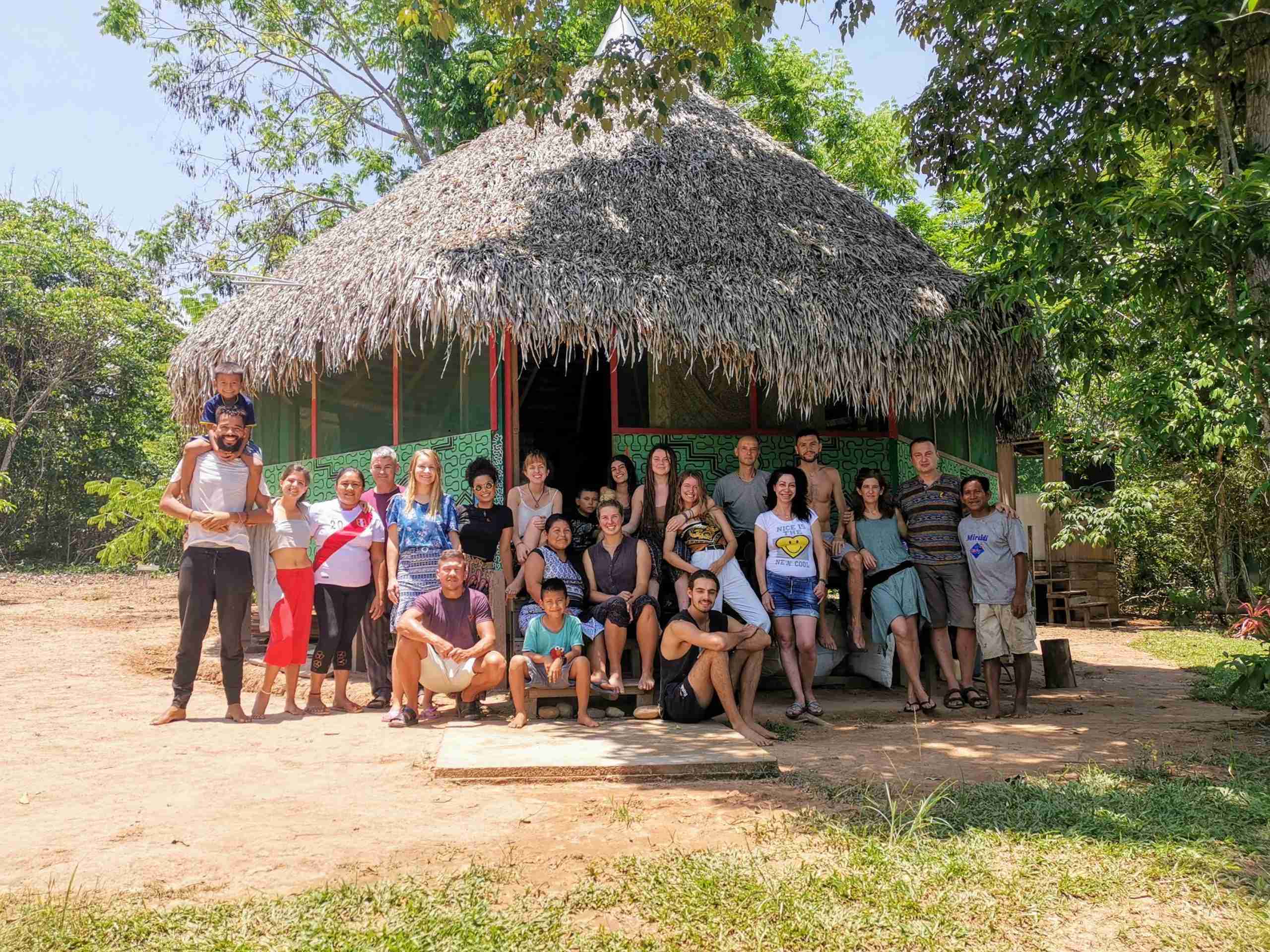
Mai Niti is a small, family-run Shipibo healing center near Pucallpa in the Peruvian Amazon, led by Maestra Lucila alongside her father, Maestro Leonardo, and her brothers. Guests stay for anything from five days to several months. Some come for ayahuasca ceremonies, others for personalised dietas with master plants such as Bobinsana or Chiric Sanango. All meals at the center are included.
Peter Couch, our lead facilitator, runs a free discovery call where you can ask about preparation, diet, medications, and which kind of stay fits what you're hoping to heal.
Mental, physical and practical readiness.
A step-by-step guide to your stay.
What the research says about risk factors.
Processing and embodying your healing.
Still unsure? Ask Peter on a free call.
A temporary period of simple, fresh, minimally processed eating before and after an ayahuasca ceremony. It usually excludes alcohol, drugs, pork, fermented and processed foods, caffeine, and heavy salt, sugar and spice. It comes from the traditional Amazonian dieta.
A period of discipline in which a person eats very simply, lives quietly and works with one or more master plants under a healer's guidance. It's traditionally understood as a way of building a relationship with the plant, not just a food plan.
Rice, quinoa, oats, potatoes, yuca, plantain, fresh vegetables and fruit, lentils and chickpeas, and, depending on your healers, eggs and fresh fish or chicken.
Alcohol, pork and red meat, aged cheese, cured and smoked meats and fish, fermented foods like soy sauce, sauerkraut and kombucha, caffeine, chocolate, fried and processed food, and very salty, sweet or spicy food.
Usually a few days to two weeks before ceremony and a similar period after. Master plant dietas involve longer post-dieta guidance.
No. At Mai Niti, the maestros tailor each person's process, and guidance differs between retreat guests and master plant dieta guests. Always follow the guidance from your own healers.
Yes. Plain rice is accepted in almost every version of the diet.
Most centers ask you to stop caffeine a few days to two weeks beforehand. Taper gradually.
No. It's avoided almost everywhere, usually for at least a week before and after.
They're commonly avoided before ceremony because they're fermented and higher in tyramine. Kombucha also contains caffeine and trace alcohol.
Not necessarily. Fresh fish is a traditional staple and chicken is often allowed. It's easy to follow as a vegetarian, though.
Light, simple meals: porridge, rice, vegetables, soup and fresh fruit. Avoid anything heavy, greasy, spicy or new to you.
Keep eating simply for a few days and reintroduce other foods gradually. Alcohol, pork and processed food usually stay out longer.
The period after a dieta is formally closed, during which some food, alcohol, drug and sexual restrictions continue while the body settles. Its length depends on the plant and the person.
Tell your retreat about every medication and supplement, and talk to your prescribing doctor. Never stop or change medication on your own.
Check your inbox for our e-mail.
If you don’t see anything in your inbox, check your updates folder. We will be in touch!